
Steps The Certificate Ladder
How to Get a Pilot License
Pedantry first, because it saves confusion later: the FAA issues certificates, not licenses, and there are several of them stacked in a fixed order. Each one grants specific privileges, each one requires specific hours and tests, and skipping steps isn't possible. Here's the whole ladder with the price of each rung.
Step Zero: The Paperwork That Comes Before the Flying
Before a school schedules your first solo, you need an FAA medical certificate from an aviation medical examiner and, for US citizens, proof of citizenship; non-citizens clear a routine TSA screening first. Total cost sits under $250 for most people, and doing it first protects every later dollar. We've said it across this site and we'll keep saying it: medical first, always.
The Ladder, Rung By Rung
Student pilot certificate
Free, issued through your school, and it makes your training solos legal at 16 or older. Your instructor's endorsements govern what you can do with it.
Private pilot certificate: the real first license
Forty hours minimum under Part 61, age 17, a knowledge exam, and a checkride. Privileges: fly yourself and passengers anywhere in the country, day or night, in good weather, sharing costs but never charging. Budget $15,000 to $20,000 and treat quotes far below that as marketing.
Instrument rating: the weather ticket
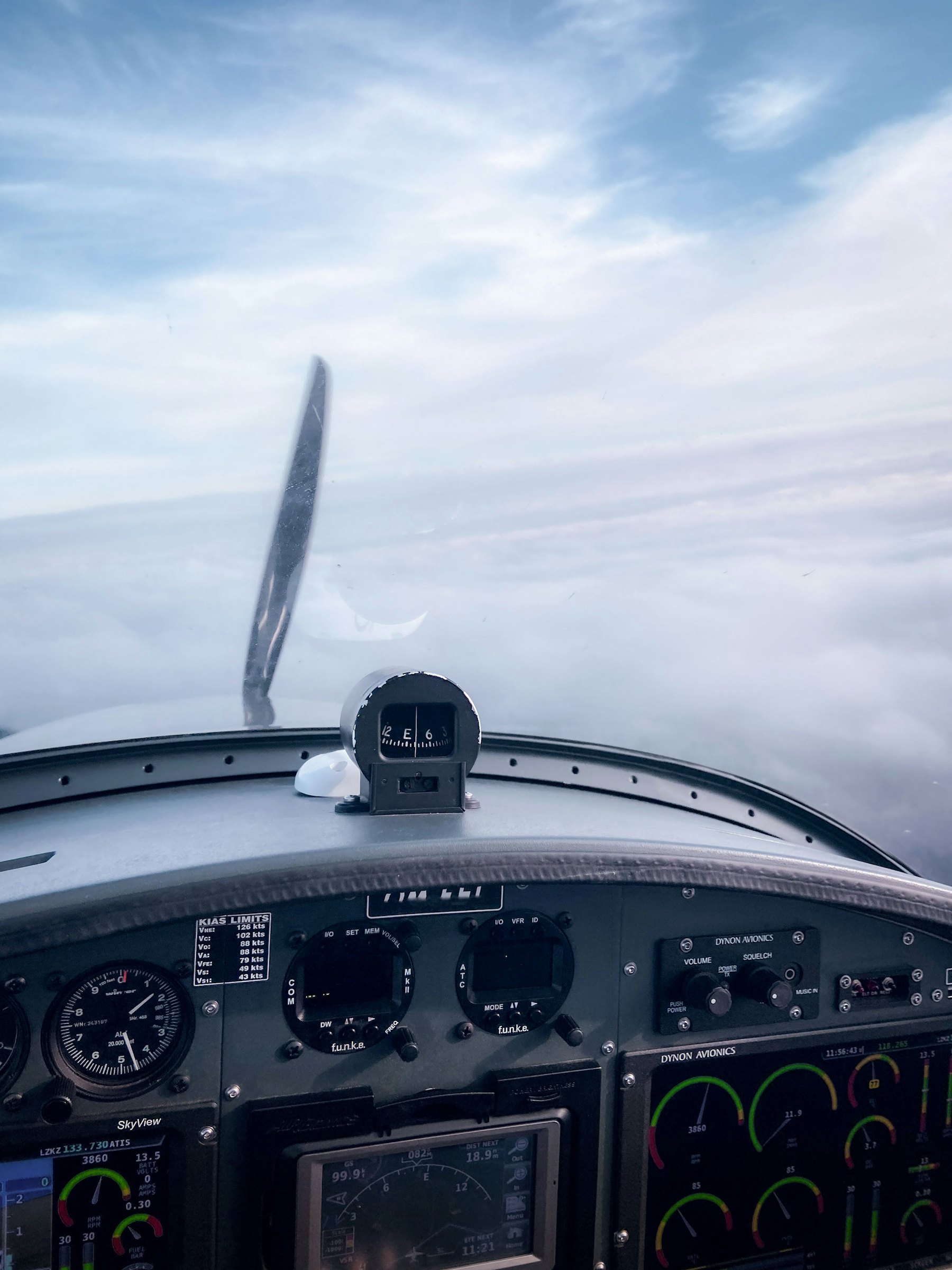
Technically a rating on your private certificate rather than a new one, and it teaches flight inside cloud by instrument reference alone. Forty hours of instrument time. Skipping it caps every later ambition, so nobody serious skips it.
Commercial pilot certificate: the paycheck line
Two hundred fifty hours, age 18, a tighter checkride. Now employers can pay you: pipeline patrol, skydive ops, aerial survey, and with more hours, charter work. Passengers still can't hire you directly for airline-style trips; that layer belongs to certificated operators.
Certified flight instructor: the multiplier
The CFI checkride is famously the hardest oral exam in general aviation, and the certificate flips your hours from expense to income. Most professional pilots teach their way from 300 hours to airline minimums.
Airline transport pilot: the summit certificate
Fifteen hundred hours, age 23 (21 restricted), the ATP Certification Training Program, and the toughest knowledge test in the sequence. Airlines require it for every seat in the front, and airlines typically fund the training course itself during new hire class.
| Certificate | Min Age | Min Hours | What It Permits |
|---|---|---|---|
| Student | 16 | 0 | Legal training solos |
| Private | 17 | 40 | Fly family and friends, uncompensated |
| Commercial | 18 | 250 | Paid flying work |
| CFI | 18 | 250 + commercial | Paid teaching, fast hour building |
| ATP | 23 (21 R-ATP) | 1,500 (750 to 1,250 reduced) | Airline flight decks |
Field Notes
The expensive mistake we see: students who pass the private, drift for a year deciding whether to continue, then pay to rebuild rusty skills before the instrument rating. Decide the destination before the first certificate, and the ladder becomes one continuous, cheaper climb. That's half the argument for the structured path and for schools with cadet pipelines attached.
Ratings and Extras Worth Knowing
The multi-engine rating (airlines expect it), the seaplane rating (pure joy, occasionally a job), and type ratings for specific jets (your airline pays for these) all bolt onto the core ladder. Budget conversation for the first, daydreams for the second, and none of your money for the third.
Sources
- Federal Aviation Administration, 14 CFR Part 61: Certification of pilots and instructors. ecfr.gov/current/title-14/chapter-I/subchapter-D/part-61
- FAA, medical certification standards, 14 CFR Part 67. ecfr.gov
- TSA Flight Training Security Program requirements. fts.tsa.dhs.gov
Rung One Is a Discovery Flight
We'll match you with a school where the whole ladder lives under one roof.