
Type Multi-Engine Trainer
Piper Seminole
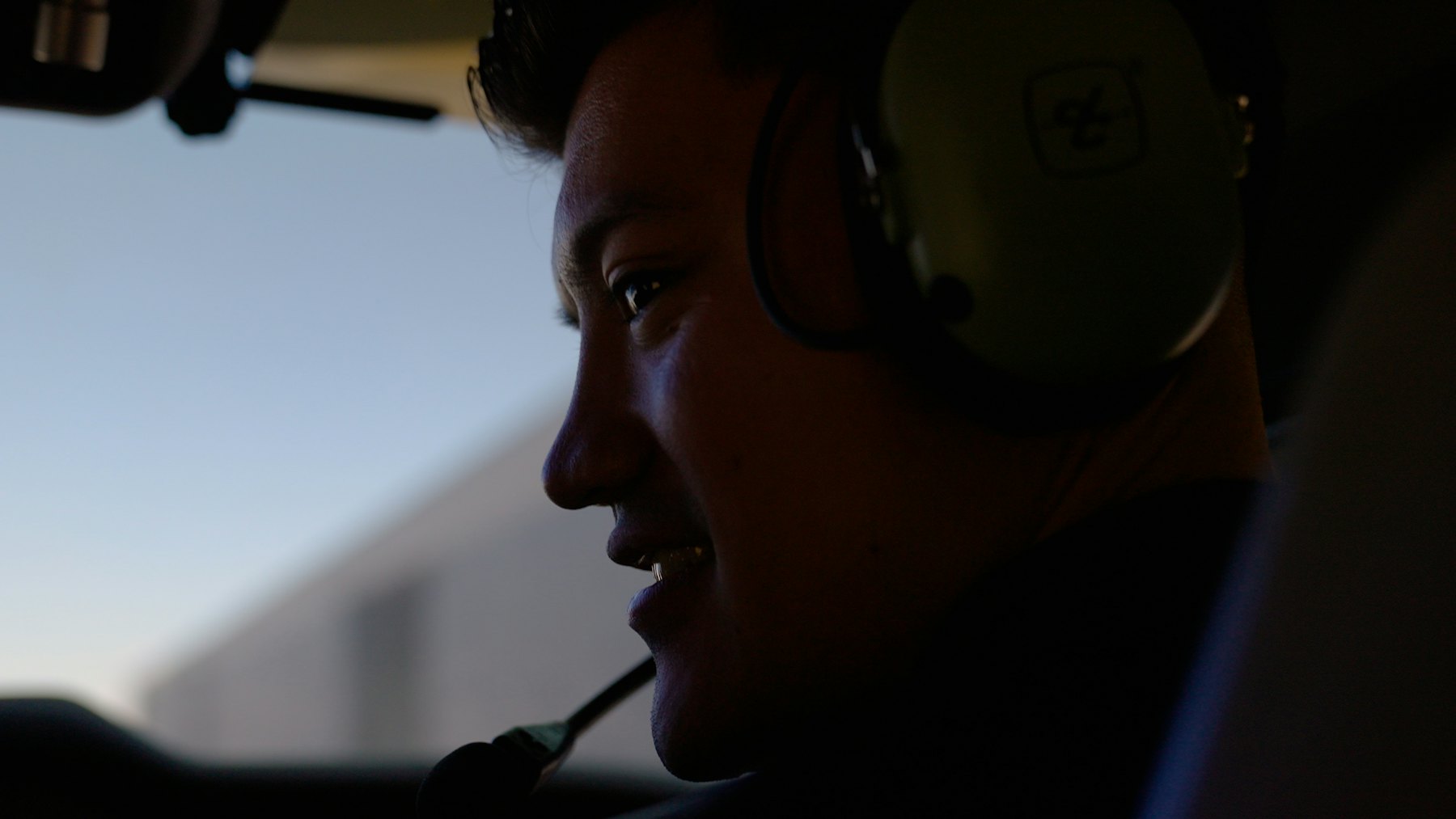
Somewhere between your commercial certificate and an airline interview stands a twin, and for most civilian pilots that twin is a Piper Seminole. Academies and universities run them by the dozen because the airplane does one job superbly: teaching you what happens when one of two engines quits, and what to do about it.
Counter-rotating propellers, honest handling, and systems simple enough to learn in a week make the Seminole a teaching machine rather than a traveling machine. You'll fly it fewer hours than any other trainer, and remember those hours more vividly than most.
- Seats
- 4
- Engines
- Two 180 hp Lycomings
- Cruise
- About 160 knots
- Range
- Around 700 nm
- Panel
- Glass in modern fleets
- Role
- Multi-engine rating and MEI
Representative figures for the type. Model year and configuration move the numbers.
What Flying One Teaches You
Single-engine aerodynamics is the heart of the rating: Vmc, the minimum control speed with an engine out, and the drag arithmetic of a windmilling propeller. The Seminole makes these lessons vivid and survivable, and the discipline it builds, identify, verify, feather, is the same flow a jet crew runs when a turbofan quits at altitude.
Twins burn money at double pace, roughly $350 to $500 an hour with an instructor, so efficient programs matter. Most students complete the add-on rating in 10 to 15 flight hours; airlines then want 25 to 100 multi hours depending on the era and the hiring market, which is where time-building partnerships and multi-engine instructor work come in.
Student Questions, Answered
How many hours does the multi-engine rating take?
There's no FAA minimum hour count for the add-on rating itself; proficiency decides. Most students test in 10 to 15 hours of dual. Budget for the checkride standard, not the brochure number.
What is Vmc in plain English?
Below a certain airspeed, full rudder can no longer counter the yaw from a failed engine, and the airplane departs controlled flight. Every twin lesson orbits that speed, and respecting it is the whole point of the rating.
Is the MEI certificate worth adding?
If you can get it, strongly yes. Multi-engine instructors are scarcer than CFIs, the teaching pays better, and every hour you teach in the twin is multi PIC time airlines want to see.
Where It Fits On Your Path
The shortest, most intense chapter in your logbook: a couple of weeks that convert your commercial certificate into the multi-engine credential every airline application assumes.
After the Rating: The MEI Math
The Seminole's second job is making multi-engine instructors, and the MEI math deserves more attention than it gets. Twins rent scarce and expensive, so multi instruction commands premium hourly rates, and every hour an MEI teaches logs as multi-engine PIC, the precise line item airline applications weight heaviest. A CFI who adds the MEI early often reaches competitive multi totals a full season before single-engine-only peers.
The rating's discipline compounds elsewhere. Engine-out procedures drilled in the Seminole, identify, verify, feather, secure, are the same decision tree jet crews run with turbofans, and insurance-driven caution around twins builds the checklist culture airlines screen for. Students should also note the fleet reality: academies run Seminoles hard, so ask about maintenance depth and scheduling before enrolling for the rating; a twin down for parts stalls the one certificate with no cheap substitute aircraft.
Timing the rating is a strategy question with a right answer for most career students: take it after the commercial certificate and immediately before or alongside the CFI, so the multi checkride's momentum carries into instructing and the MEI add-on sits one short course away. Waiting until airline applications loom is the common mistake; suddenly every regional wants 25 multi hours you don't have, Seminole rental slots are booked out weeks, and time-building multi hours at $350 an hour becomes a five-figure crisis that two years of MEI teaching would have made free. The students who sequence it early treat the Seminole weeks as a hinge in the whole career plan, and the logbooks show the difference at hiring time.
Related Aircraft
Train Toward This Flight Deck
Get matched with schools whose fleets and airline pipelines point at the seat you want.