
Test Day The Practical Exam
The Checkride,Demystified
No moment in flight training carries more manufactured dread than checkride morning, and no moment is more predictable if you understand what the examiner across the table is actually required to do. Walk through one with us, and take the mystery out of the most famous day in training.
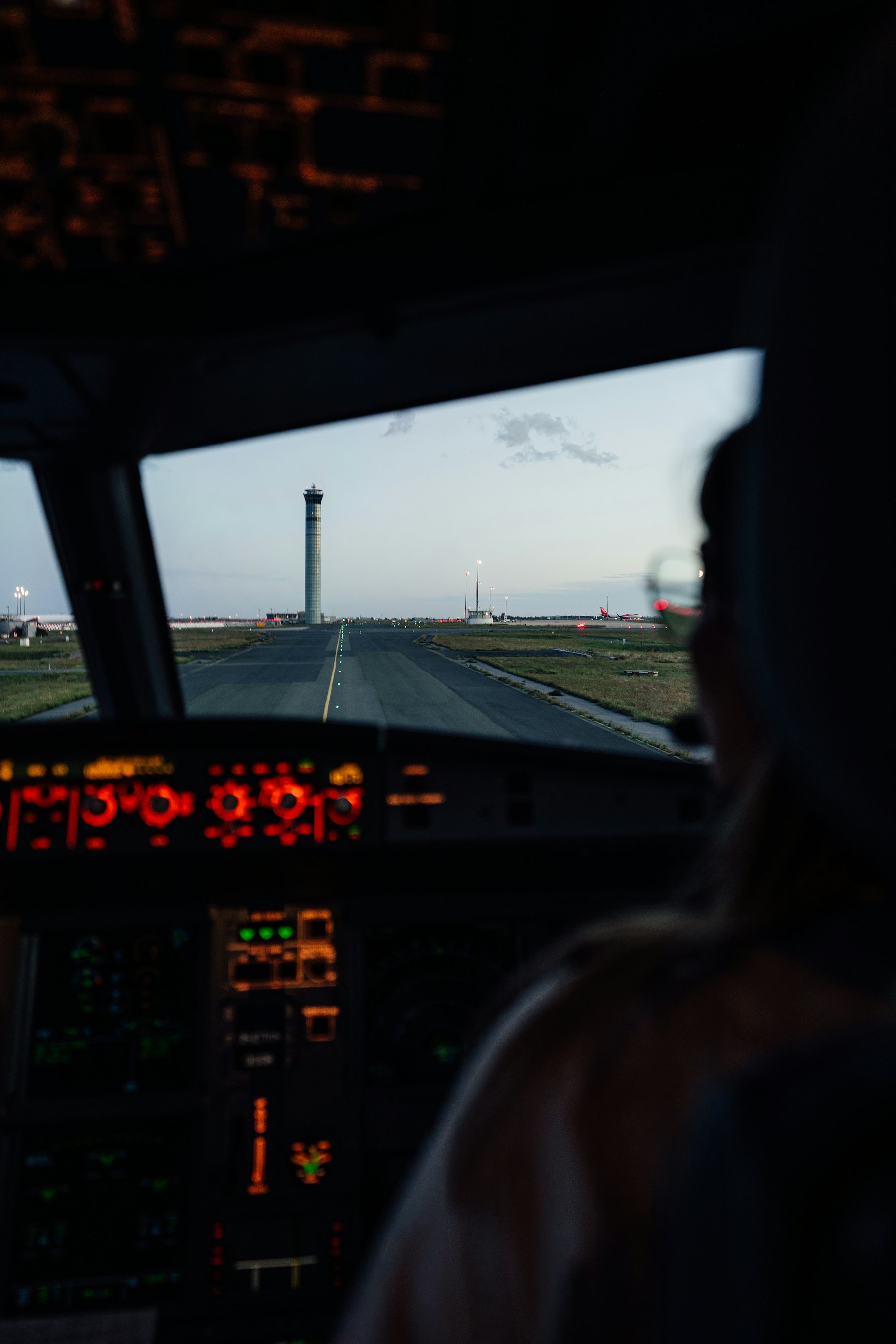
It's 7:55am at a small-town FBO and a private pilot applicant is laying out paperwork with slightly too much care: logbook tabbed, maintenance records borrowed from the school, the FAA application already filed online, a flight plan to a distant airport she'll never actually fly built to the pound and the minute. At 8:00 the designated pilot examiner, a retired freight captain who has given a few thousand of these, pours coffee and says the sentence every DPE says: relax, this is just a flight with paperwork. He's mostly telling the truth, and here's the structure hiding underneath it.
The Rulebook on the Table
Every checkride runs on a public document: the Airman Certification Standards for the certificate at stake, which lists every task, every knowledge area, and the exact tolerances, altitude within so many feet, airspeed within so many knots, the flight must meet. The examiner has no discretion to test outside it and no discretion to skip its required elements. This is the single most under-used fact in training: applicants can read the entire test in advance, and the calm ones have, cover to cover, with their instructor initialing each task as trained. Nothing on checkride day is legally allowed to be a surprise.
The Oral: A Conversation With Stakes
Two-ish hours for a private, longer up the ladder, structured as scenarios rather than trivia: here's tomorrow's weather chart, are we flying and why; show me why this airplane is legal today; you're diverting mid-cross-country, walk me through it. The examiner is grading decision-making and the ability to find answers, not recitation, quoting a regulation number matters less than knowing the book it lives in and reasoning from it. Written-test weak areas print on your score sheet and will absolutely come up, which is half the argument in our written exam guide for scoring high. Honest I-don't-know-but-here's-where-I'd-look answers survive; confident wrong answers and bluffing do not. When the oral ends, the examiner says so plainly, and the flying half begins.
The Flight: Tolerances, Not Perfection
The flight portion works through the ACS maneuvers, steep turns, stalls, landings in their variations, the emergency descent, hood work at the levels that require it, flown to published tolerances that permit human wobble: drift happens, correction is what's graded. Examiners repeat the same reassurance and mean it: a maneuver momentarily outside tolerance that the applicant announces and fixes shows exactly the awareness the test exists to find. What actually busts checkrides, DPEs are consistent on this, clusters in a short list: unstabilized approaches ridden to the runway instead of gone around, airspace busts on the cross-country exit, checklist flows abandoned under nerves, and the applicant who stops flying the airplane while explaining something. The single sentence examiners wish every applicant knew: a go-around is a demonstration of judgment, never a failure.
The Outcomes Nobody Explains
Three endings exist. Pass: the temporary certificate prints that afternoon. Discontinuance: weather, airplane, or examiner scheduling stops the ride partway with no failure recorded; completed tasks stay credited and the rest reschedules. Notice of disapproval: the specific failed tasks are listed, retraining and an instructor endorsement follow, and the retest covers only what was missed. A bust stings and it is survivable; airline applications ask about checkride history, and the honest one-failure-with-a-clean-story file hires every day. What compounds a bust is the panic spiral afterward, which is why good schools debrief the same evening and rebook within the week, while the skills are warm.
Field Notes
The best checkride preparation we know costs nothing: two full mock checkrides with a different instructor than your own, oral and flight, flown to the printed ACS with no coaching. Familiarity is the antidote to nerves, and the applicant who has already answered hard questions from a stranger twice walks in on test day doing a familiar thing a third time. Schools that run mock rides as standard produce the pass rates worth asking about on your school tour.
Our applicant from the first paragraph? Passed, with one steep turn she caught fifty feet low, announced, and fixed, which the examiner wrote up as exactly how it's supposed to work. The next checkride up the ladder reuses every habit she built for this one. They all do.
Sources
- FAA, Airman Certification Standards library. faa.gov/training_testing/testing/acs
- 14 CFR 61.43 and 61.49: practical tests and retesting after failure. ecfr.gov
- FAA, information for applicants and designated pilot examiners. faa.gov/pilots/testing

The Test Is Published. Train to It.
Get matched with schools that run mock checkrides as standard practice.