
Part 137 Farming at 140 Knots
Agricultural Aviation:The Field Spraying Career
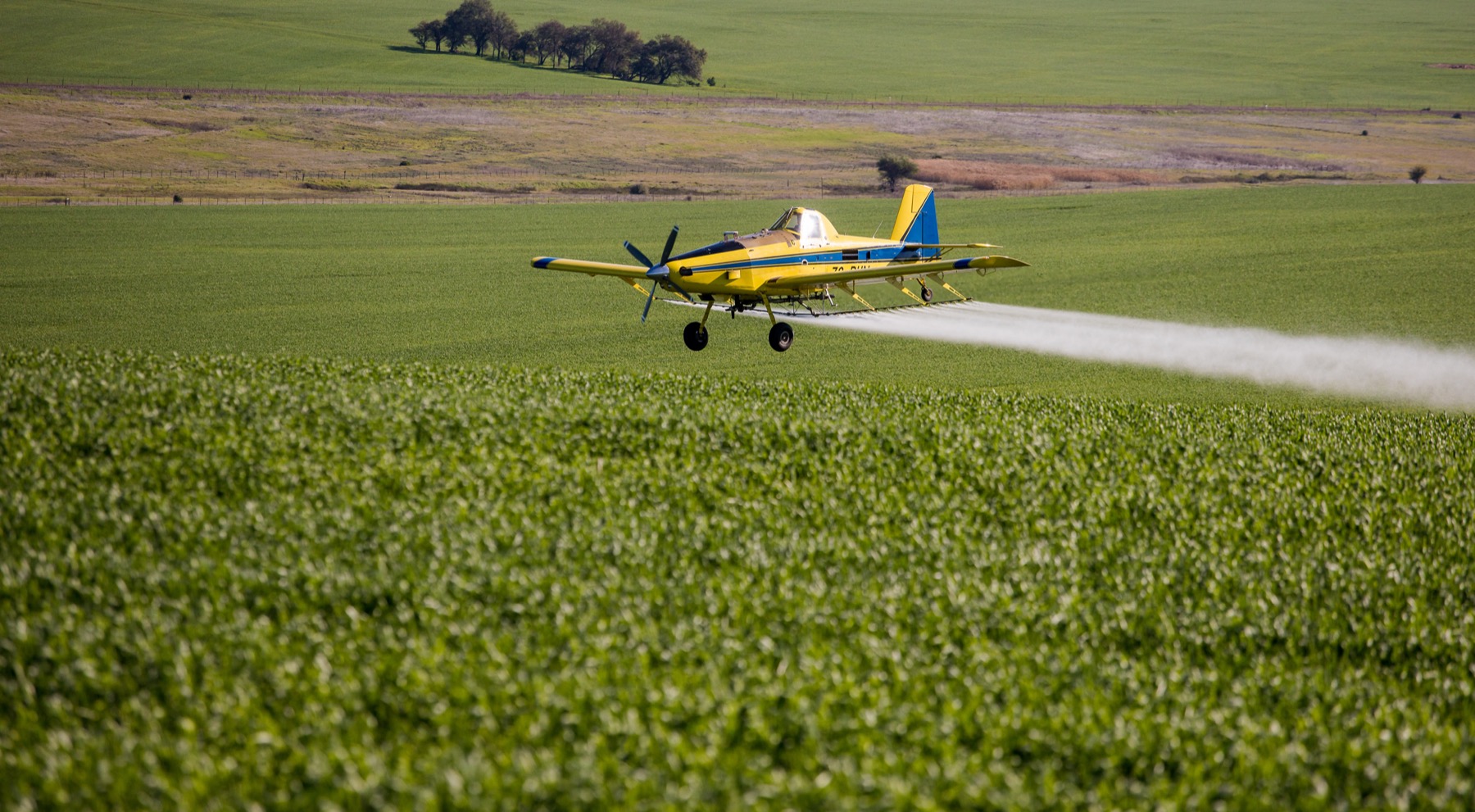
Call it crop dusting if you like; the industry says ag aviation, and it's the last corner of professional flying where a pilot works alone, ten feet off a soybean field, making a hundred decisions a minute that would terrify a passenger. It's also quietly one of the best-paying seats a piston-trained pilot can reach without an airline uniform.
Understand this trade by its calendar, because ag aviation is farming, and farming is seasons. The year owns the pilot, not the other way around.
Winter: The Classroom Season
December through February is when ag pilots are made. The handful of dedicated ag flight schools in the country run their courses now, teaching the pattern work that defines the trade: the swath run flown at working height across a real field, the pull-up, the procedure turn, the re-entry lined on GPS lightbar guidance. Students come out with a tailwheel-heavy logbook and the beginnings of turn discipline. Winter is also convention season; the National Agricultural Aviation Association gathering is where operators hire, and a student who works that room with a fresh certificate and a humble attitude often flies home with a loader job promised for spring. The FAA side is Part 137, the agricultural aircraft operating rules, plus state pesticide applicator licensing, a written exam about chemistry and drift you study for now because nobody has time in June.
Spring: The Apprenticeship Season
Almost nobody steps from a commercial checkride into a spray seat, and the industry's apprenticeship is honest about it: you start on the loader pad. Mixing chemical, loading hoppers, fueling, flagging fields, driving the tender truck, listening to the radio traffic between the office and the airplanes. It sounds like a step down for a certificated commercial pilot and it is the trade's job interview: operators watch a season of ground work to learn whether you respect chemicals, procedures, equipment, and heat before they hand you an airplane worth more than a house. Loader-to-seat is the standard path, commonly one or two seasons. Use the time: every ferry flight, every empty repositioning hop the boss lets you fly in the Cub or the 502 builds the low-level instincts the seat demands.
Summer: The Money Season
From first light to dark through June, July, and August, the airplanes work. A working ag pilot flies eight to twelve hours a day in bursts, sixty to a hundred loads a week in the peak, treating fungicide onto corn and rice, protecting cotton, seeding cover crops. The airplanes are purpose-built taildraggers wearing hoppers: the Air Tractor 502 and 802 families and the Thrush, turbine PT6 power up front, a seat like a bank vault, and flying qualities tuned for one job done ten feet high at 140 knots. The pay structure explains the intensity: ag pilots typically earn a percentage of the gross the airplane bills, commonly in the high teens to mid twenties, and a productive turbine seat in a busy season grosses enough that six-figure summers are ordinary for proven pilots. Then it ends. The airplane goes in the hangar, and the pilot goes hunting.
Fall and the Long Game
Autumn brings defoliation runs on cotton, seeding, and the slow exhale of maintenance season. Pilots winter on savings, fly a second season in the southern hemisphere if they're hungry, or plow profits toward the goal most ag pilots share: an airplane and an operating certificate of their own, because this remains a trade where the pilot can become the business. Geography sets the map: the Mississippi Delta from Louisiana up through Arkansas and the Missouri bootheel is the heartland, with the Texas plains, the Midwest corn belt, California's Central Valley, and the Palouse wheat country all running fleets. Where row crops grow, ag airplanes work.
The Honest Ledger
Ag aviation demands respect it will not ask for twice. The work is low, hot, and unforgiving of inattention; wires kill more ag pilots than engines do, and every veteran's briefing ends the same way: know every wire on every field before the first pass. The trade's safety record has improved sharply with GPS guidance, better training, and a culture that stopped celebrating cowboys. The pilots who thrive are systematic, rested, and boringly disciplined about walking away from a field that doesn't feel right. If that's your temperament, few flying jobs reward it better.
Your Route From Zero
The base is the standard ladder: private, instrument, commercial, with the instrument rating worth having even though the job is day VFR, because it disciplines your scan and keeps airline doors open. Add the tailwheel endorsement early and treat every hour in a Citabria or Cub as trade school. Then choose: a dedicated ag school course as your finishing move, or a loader job straight away with an operator who grows their own. Either way the door opens the same width; ag operators hire attitude and mechanical sympathy at hour counts airlines ignore, and a 300-hour tailwheel-comfortable commercial pilot with a loader season behind them is employable in a way no resume conveys. The school directory flags tailwheel fleets, and the states where this trade lives, Arkansas, Louisiana, Mississippi, Texas, keep schools within sight of working strips.

The Delta Hires Every Spring
Get matched with tailwheel-flying schools and start the logbook ag operators respect.