
Off-Field Where Runways End
Start Your BushPiloting Career
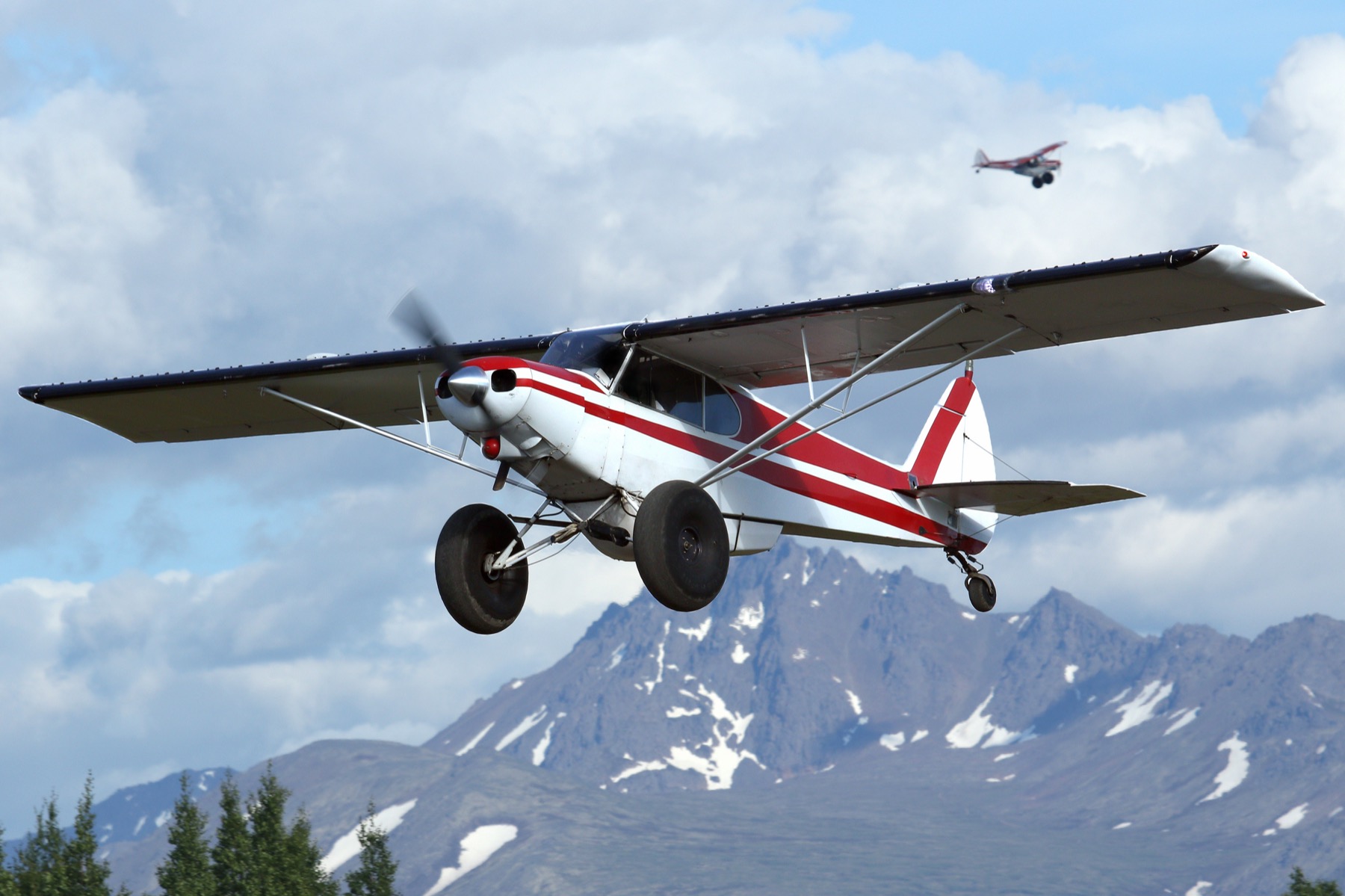
The gravel bar is maybe six hundred feet long, curved like a comma, and the Kuskokwim is running brown and fast along its edge. The pilot ahead of you in this story has flown it forty times, which is why she's dragging the bar first: a low pass at fifty feet, reading the surface for new driftwood, for the soft spot where the river cut in last week, for the moose that sometimes stands exactly where she wants her wheels. Satisfied, she rolls out wide, sets thirty degrees of flap, and puts the tundra tires down on the first hundred feet at an airspeed that would make a pavement pilot nervous. The tail settles. Two hunters and a moose rack are going home today.
That's the job. Not an airline schedule with mountains in the window, but flying as a trade practiced close to the ground, where the runway is whatever surface the country offers and the decision to land belongs to you alone. Bush pilots move hunters, fishermen, mail, groceries, fuel drums, sled dogs, school teachers, and medical patients between places roads never reached. In most of Alaska, the airplane isn't transportation. It's THE transportation, and the people who fly it hold a status in their communities that no widebody captain enjoys.
Nobody starts here. Read that again before the romance takes hold, because it's the most useful sentence on this page. Bush flying is a second or third chapter, built on fundamentals sharpened somewhere forgiving first.
The Skills That Separate Bush Pilots From Pilots
Tailwheel is the entry ticket. The Super Cubs, Huskies, and Cessna 180s that dominate off-field work carry their third wheel at the back, and insurance companies want serious tailwheel time before they'll cover you in one. The endorsement itself takes ten or fifteen hours; the competence operators want takes a couple hundred. Find a school or club with a Citabria or Cub on the line and start early, because this time is the hardest to build later. Short and soft field technique stops being a checkride maneuver and becomes the entire job: precise airspeed control on the back side of the power curve, touchdown points held within a wingspan, and honest go-around judgment with terrain rising ahead. Weather reading replaces weather briefing. Village strips don't have ATIS. Bush pilots learn valley wind behavior, coastal fog cycles, and the look of a pass that's about to close, and they learn the oldest rule in Alaska aviation: the willingness to turn around is what separates old pilots from statistics.
Where the Work Lives
Alaska employs more working bush pilots than everywhere else in America combined, and it's not close. Bethel, Dillingham, King Salmon, Kotzebue, Nome, Unalakleet: these are towns where a dozen operators fly scheduled village runs, mail contracts under the bypass mail system, and charter loads every daylight hour. The Part 135 operators there, names like Grant Aviation, Ryan Air, and Wright Air Service, hire commercial pilots every season, and Alaska's insurance-driven minimums commonly sit near 500 hours with meaningful time in type, far below what a Lower 48 regional demands. Beyond Alaska, the trade survives in pockets: Idaho's backcountry strips serve lodges and river outfitters through operators out of McCall and Cascade; Montana and Wyoming feed hunting camps; Maine floats canoes into lake country; and Canada's north runs on the same economy at even bigger scale. Utah and Arizona canyon country adds a small strip culture all its own.
The Airplanes, Bottom Rung to Top
The ladder starts where you'd expect: Piper Super Cubs and Aviat Huskies doing two-seat work, spotting, and light charter. The workhorse middle belongs to the Cessna 180, 185, and 206, four to six seats of gear-hauling capability on wheels, skis, or floats depending on the season. The de Havilland Beaver, out of production since 1967 and still irreplaceable, owns the float-lodge economy from Ketchikan to Kodiak. And the top of the trade is the Cessna Caravan and its turbine kin, flying nine passengers or a ton of freight into gravel, where bush flying and scheduled Part 135 commuter work blur together. Learn piston airplanes deeply; the turbine transition comes with the seat.
A Realistic Route In
Here's the sequence working bush pilots actually describe. Earn the commercial certificate anywhere, but grab the tailwheel endorsement and every hour of mountain or backcountry instruction you can find along the way; a summer course at a dedicated mountain-flying school in Idaho or Colorado is worth double its logbook hours in judgment. Instruct or fly pipeline patrol to build toward 500. Then go north in April, in person, because Alaska operators hire faces, not resumes: the seasonal ramp-up before summer is when chief pilots take chances on sharp 500-hour commercial pilots willing to start in the right seat of a Caravan or flying freight in a 207. Survive your first season with the airplane undented and your name gets around; the state's aviation community is a small town. Two or three seasons in, you're the one dragging gravel bars, and the Lower 48 airlines will still be there hiring at 1,500 if the country doesn't keep you, though be warned: it keeps a lot of people.
What the Trips Actually Look Like
A June week for a Bethel-based 207 pilot: Monday, three village runs with mail, groceries, and a bicycle; Tuesday, a fish-camp shuttle and a charter carrying a welder and his rig; Wednesday, weather day, fog to the deck, drink coffee and watch it; Thursday, six legs catching up, including a medical passenger to the regional hub; Friday, hunters and their gear staged out to a river strip, two trips because gear always weighs more than hunters admit. Lodge pilots on floats fly guests, fuel, and food on a rhythm set by fishing season. Hunting outfits surge in September. None of it is glamorous at 6am in horizontal rain, and most of the pilots doing it would not trade seats with anyone.
Field Notes
Ask any Alaska chief pilot what washes out new hires and the answer is never hands. It's judgment under self-induced pressure: the pilot who launches into marginal weather because the lodge guests have a connection to make. The operators that last are the ones whose pilots cancel without apology, and they screen for exactly that temperament in the interview. Show up with three stories about flights you didn't take and you'll interview better than the pilot with three hundred more hours.
The certificates underneath all of this are the same ones every professional path requires, mapped on our training path, and the FAA requirements page covers the medical and hour gates. When you're ready to pick a school, favor ones with tailwheel airplanes on the line; the directory notes training focus for every listing, and states like Alaska, Idaho, and Montana put the backcountry in reach from your first cross-country.
The Backcountry Hires Judgment
Get matched with schools that fly tailwheel and teach the mountains, and start building the logbook Alaska respects.