
New York University
Farmingdale State College
SUNY's aviation campus on Long Island trains in the shadow of the New York Class B, which produces pilots who can talk on a radio.
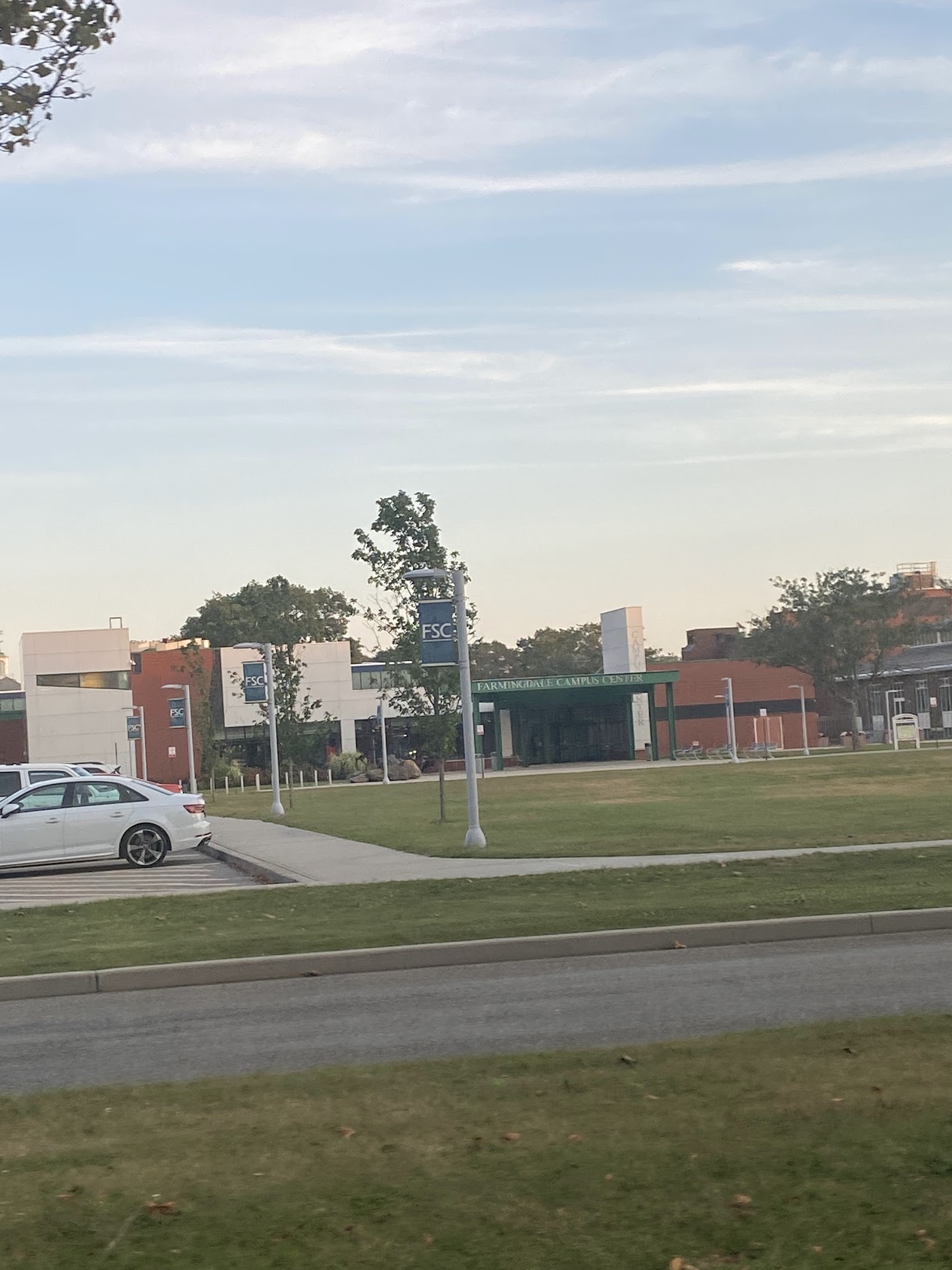
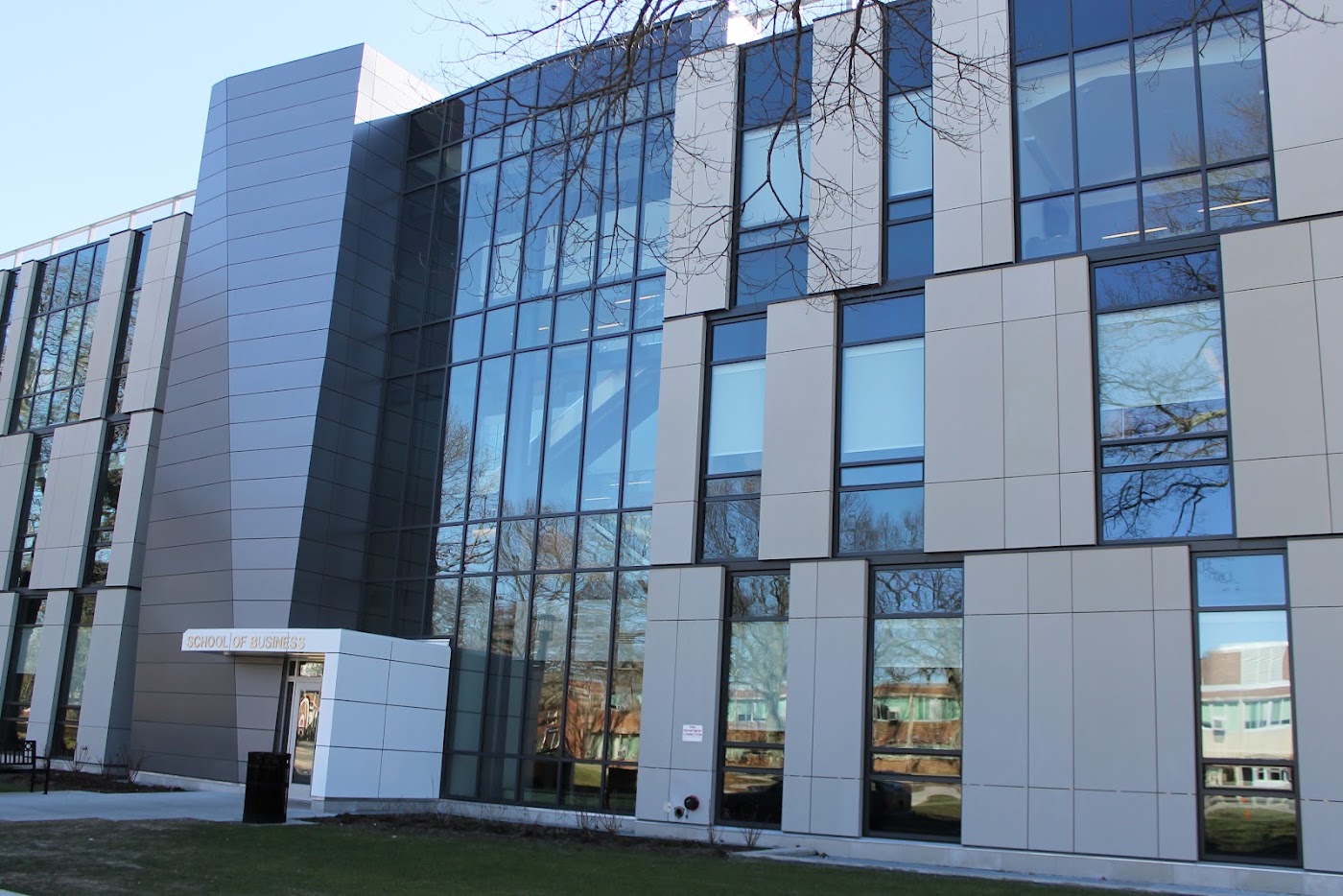
Photos via Google Maps; they belong to their authors.
- Location
- Farmingdale, New York
- School Type
- University
- Training Focus
- Professional pilot degrees with R-ATP
- Home Airport
- Republic Airport (KFRG)
- Google Rating
- 4.2 (218 reviews)
Listing data is maintained editorially and confirmed with schools over time. Programs and pricing change; verify details directly before enrolling.
See It on the Map
What Students and Pilots Say
★☆☆☆☆ 2 months agoLimited selection of classes, extremely hard to reach advisement as a transfer student, non native speaking proffesors made it difficult to learn in class. Business building has a smell to it and campus life is non existent.
Magic moose via Google
★☆☆☆☆ 4 months agoProfessors were great, but certain campus departments (e.g., Tutoring Center, Writing Center, Academic Support Services, etc.) were EXTREMELY toxic. I have unfortunately witnessed staff mocking disabled students, gossip, and lack of professional boundaries w/ students (i.e., romantic grooming). FSC is known to have MANY concerning staff members who have been found guilty of serious misconduct. They either get swept …
Outdoor Lover via Google
★★★★★ 8 months agoAs I am a transfer student, I felt professors are more friendly and helpful compared to Nassau Community College I attended. I FULLY RECOMMENDED YOU TO APPLY TO THIS SCHOOL!!!
Andy Lam via Google
★★★★☆ 4 months agoIt's a nice campus. Easy to get lost without a map. Heavily patrolled and police'd.
Auguste, D. via Google
Reviews via Google Maps; they belong to their authors and are not our endorsement.
Why Farmingdale State College Stands Out
Farmingdale State delivers something rare: a public-college aviation degree inside the New York metro, at SUNY tuition. The airspace is the program's signature asset, students train under the approach corridors of the busiest airport system in America and graduate with radio composure that marks them instantly in airline interviews. Long Island's aviation heritage, from Grumman's plants to Lindbergh's departure field, surrounds the campus, and the metro's flying jobs sit within commuting distance for the time-building years.
Planning Your Training Here
Planning the degree route through Farmingdale State College means thinking in semesters and hours together. University programs qualify graduates for the restricted ATP, an airline seat at 1,000 or 1,250 hours instead of 1,500, which typically shortens the instructing years by six months or more. Budget conversations should cover both tuition and flight fees, and federal financial aid often applies to both, a financing advantage academies can't offer. Ask admissions how flight-slot availability tracks enrollment, what the program's checkride pass rates run, and how graduates typically bridge from degree to airline minimums; strong university programs hire their own alumni as instructors, keeping the whole timeline under one roof.
What Flying in New York Teaches You
New York training means radio mastery. Long Island students fly beneath one of the world's densest airspace stacks, learning clearances, flow, and unflappable communication that mark them in every later interview. Four-season weather adds icing awareness and real instrument time.
How to Evaluate Farmingdale State College on Your Tour
Every school on this directory gets the same advice from us, because the fundamentals don't move. Walk the ramp and count how many aircraft are down for maintenance. Ask how many lessons a week they can actually schedule you, and how far out the booking calendar runs. Ask for first-attempt checkride pass rates and how long students wait for an examiner. And keep your money in your control: pay as you fly, or in small blocks with clear refund terms.
Then weigh the location itself. Training in Farmingdale means building your early hours in New York weather and airspace, and both become part of your airmanship. Our school-selection guide covers the full vetting checklist, and the financing page maps scholarships and loans that apply at schools like this one.
Common Questions About Training at Farmingdale State College
How long would my training take here?
Degree-program students train across roughly four academic years, sequencing certificates alongside coursework, and graduate eligible for the restricted ATP at 1,000 or 1,250 hours, which typically returns the time a degree adds. Ask how early in the program flying starts; programs that put students in airplanes freshman year finish stronger.
What will it cost, and can I get help paying?
Get Farmingdale State College's current rates directly; published numbers age fast in this industry. Nationally, plan on $80,000 to $120,000 from zero time to commercial certificates before instructing pay starts offsetting costs, with university programs adding tuition but unlocking federal financial aid for both academics and flight fees. Our financing guide maps the loans, scholarships, and airline cadet programs that apply here, and several scholarship cycles go undersubscribed every single year.
How should I arrange a visit?
Call ahead and ask for a tour on a normal training day, not a quiet one. Use the directions button above to plan the drive to Farmingdale, arrive early enough to watch ramp operations, and bring the vetting checklist from this page. A school proud of its operation will show you everything; hesitation is itself an answer.
Get Matched
Considering Farmingdale State College? Tell us your goal and timeline and we'll line this school up against comparable options near you, with the financing routes and scholarship deadlines that fit. One form, no spam, a real reply within a business day.
Compare Farmingdale State College Against Your Other Options
Get a side-by-side shortlist matched to your budget, timeline, and zip code.