
CPT The Commercial Pilot Training Portal
Become a Pilot Your Career in the Sky Starts Here
Commercial pilot training, mapped end to end. We compare flight schools, price the certificates, and track who's hiring at the majors, the regionals, and the cargo carriers that move USPS mail. You bring the ambition. We'll show you the route.
1,500 hrs
Flight time the FAA sets for an unrestricted airline transport pilot certificate
Age 23
Minimum age for that certificate. Restricted ATP opens the door at 21
Class 1
The FAA medical certificate airline captains fly under
Age 65
Mandatory airline retirement age in the US, and the engine behind today's hiring
01 The Training Path
From Zero Hours to the Right Seat
Every airline pilot in America walked the same seven checkpoints. The order never changes; the pace is up to you and your budget. Here's the whole route, with the FAA minimums attached, so you know exactly what you're signing up for before you spend a dollar.
-
Hour 0
Discovery Flight
One intro lesson with an instructor tells you more than a month of forum reading. You'll handle the controls on your first flight, and the hour goes in your logbook.
-
40+ hrs
Private Pilot Certificate
The FAA floor is 40 hours under Part 61, and most students take longer. This is where you actually learn to fly. Everything after refines it.
-
+40 inst.
Instrument Rating
Flying in cloud by reference to instruments alone. Airlines read a sharp instrument scan as the mark of a serious applicant, and so do insurance underwriters.
-
250 hrs
Commercial Certificate
At 250 hours under Part 61 you can legally fly for pay. Tighter tolerances, complex operations, and a checkride that expects a professional.
-
Ratings
Multi-Engine & CFI
Add the multi-engine rating airlines expect, then earn your flight instructor certificate. Teaching turns time-building from an expense into a paycheck.
-
1,500 hrs
Build to ATP Minimums
Instruct, fly skydivers, tow banners, survey pipelines. Approved degree programs cut the 1,500-hour requirement to 1,000 or 1,250 through the restricted ATP.
-
The Seat
Airline New-Hire Training
Pass the interview, earn a type rating in the simulator, and fly the line with a training captain. Regional first-officer pay has climbed sharply since 2022, and upgrade times are short.
02 Career Paths
Pick the Flying You Want
Airline flying isn't one job. Schedules, airplanes, and hiring bars differ by seat, and the smart move is to pick the destination first, then train backward from it. These are the four doors most professional pilots walk through.
PATH / 01
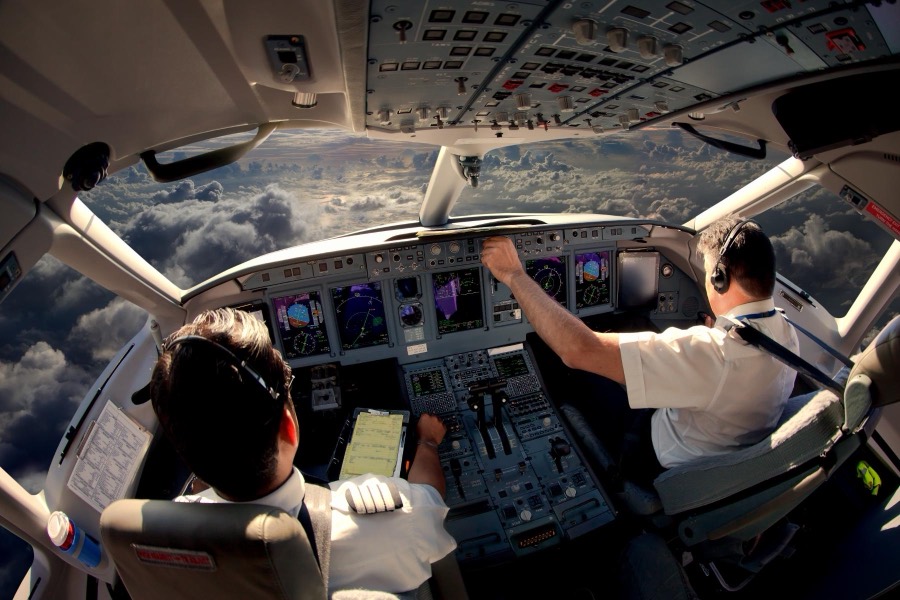
Major Airlines
Narrowbody and widebody flying for carriers like United, Delta, American, and Southwest. The long game, and the highest ceiling in the industry.
Explore the majors
PATH / 02
Regional Airlines
First officers at SkyWest, Envoy, Republic, and PSA log turbine time fast. Most new airline careers in America start in this seat.
Explore the regionals
PATH / 03
Cargo & Mail
FedEx, UPS, and the contract carriers that fly USPS mail run around the clock. Freight pilots trade passengers for steady night schedules.
Explore cargo flying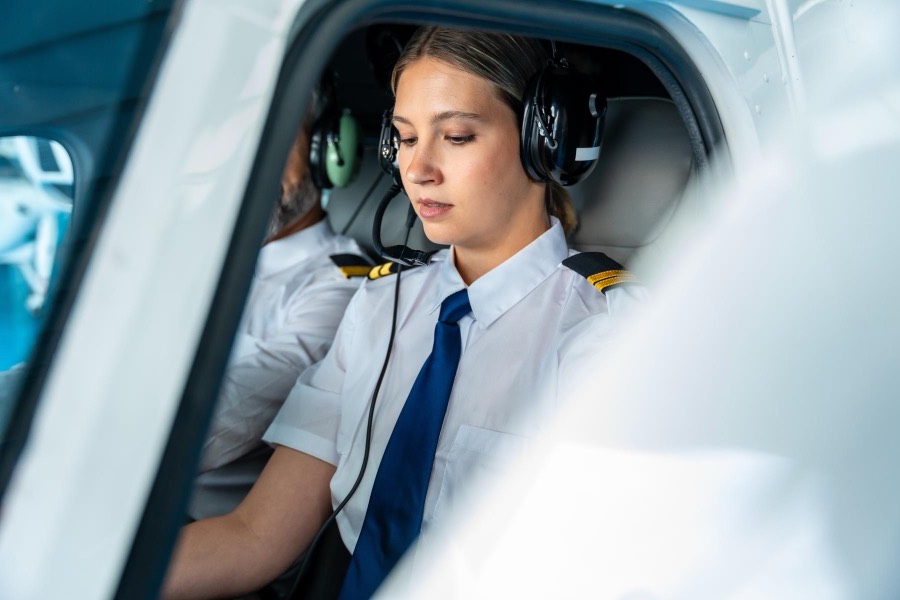
PATH / 04
Flight Instruction
Teaching is how most professionals build their first 1,500 hours. Get paid to fly every day while you qualify for the airlines.
Explore instructing
03 Flight Schools
Train Where AirlinesAlready Hire
Two schools with identical airplanes can produce very different careers. Part 141 academies run FAA-audited syllabi and feed cadet pipelines. Part 61 schools flex around a day job. University programs shave 250 to 500 hours off your ATP minimum through the restricted ATP rules.
Cadet programs from major carriers, United Aviate and Delta Propel among them, now reach directly into the training pipeline, and scholarship money from groups like AOPA and Women in Aviation International gets awarded every single year. We track which schools connect to which airlines, and we'll line those options up against your budget and your zip code.
04 The Market
The Hiring MathFavors You
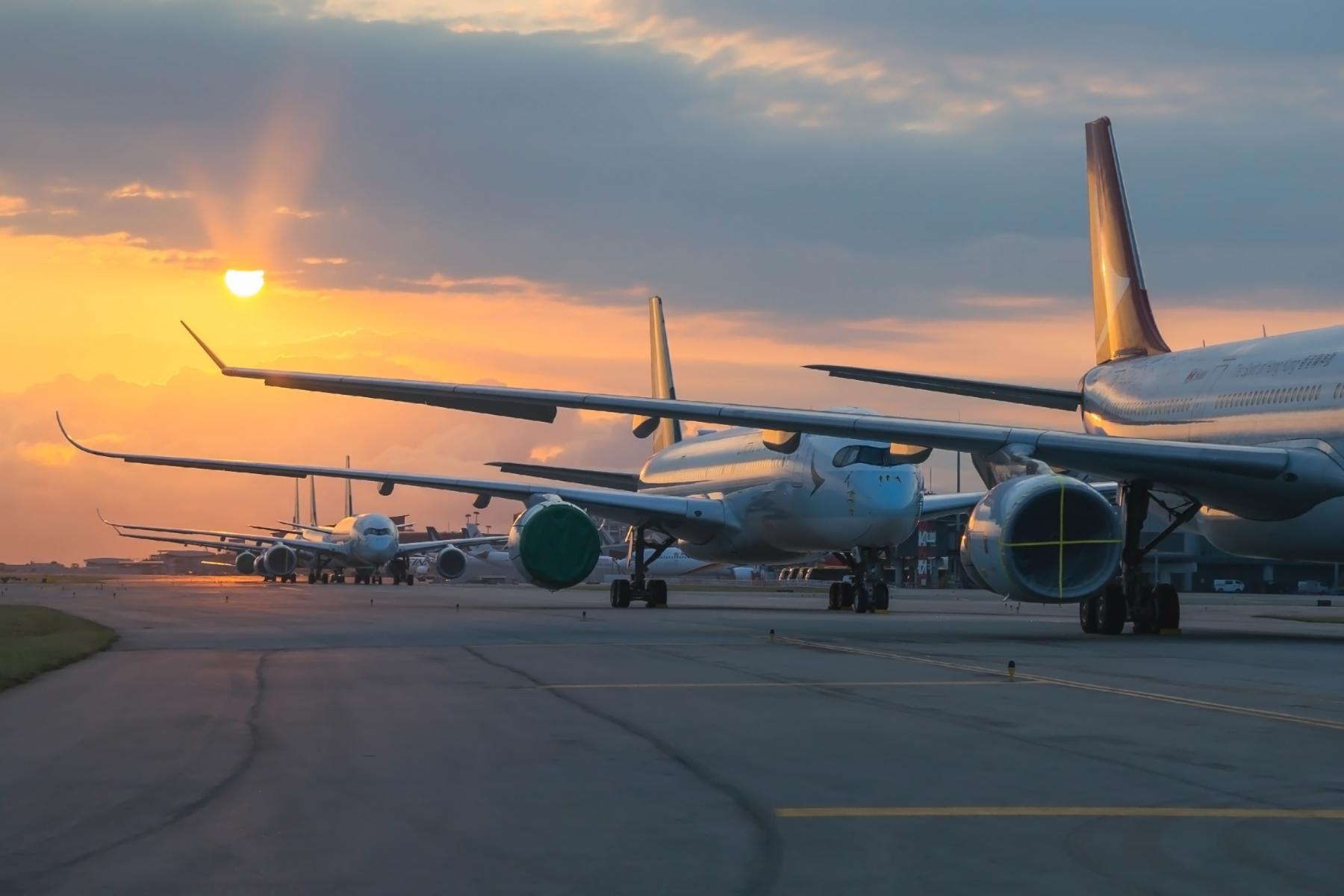
Every US airline pilot must retire at 65. No exceptions, no extensions. Those birthdates are already on file, which makes the retirement wave rolling through the majors the most predictable hiring driver aviation has ever had.
Supply stays tight for a structural reason: since 2013, federal law has required 1,500 hours for an airline seat, a rule written into the Airline Safety Act after the 2009 Colgan Air accident. Boeing's Pilot and Technician Outlook projects a need for more than 600,000 new pilots worldwide over the next two decades. That's why carriers now recruit inside flight schools instead of waiting at the finish line.
The Bottom Line
- Retirements
- Locked in by birthdate, not by the economy. The wave runs through the 2030s.
- Supply
- The 1,500-hour rule caps how fast new pilots can reach an airline seat.
- Your Lead Time
- Two to four years from first lesson to airline minimums. Start dates compound.
05 Get Started
Get Matched With a Flight School
Tell us where you're headed and where you're starting from. We'll match you with training programs, financing routes, and scholarship deadlines that fit, then a real person follows up. No spam, no selling your number to forty schools.
Boarding PassNew Student
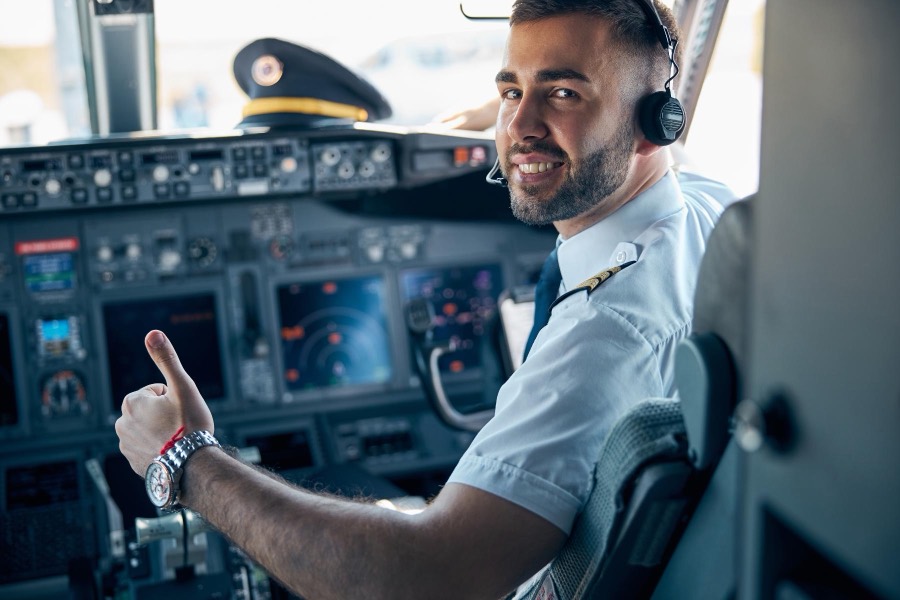
"The students who finish are the ones who picked a school they could actually reach, financially and geographically. Fit beats brand every time."James Anderson, Chief Flight Instructor
06 Straight Answers
Pilot Training Questions, Answered
How much does commercial pilot training cost?
Plan on $80,000 to $120,000 all-in if you start from zero at a full-time academy, based on pricing those schools publish. Training part time at a local school spreads the spend out, and working as a flight instructor recovers a chunk of it while you build hours.
How long does it take to become a commercial pilot?
Full-time students commonly reach a commercial certificate in 12 to 18 months. Getting to the 1,500 hours an airline seat requires usually lands between two and four years from your first lesson, depending on how fast you fly and how you build time.
Do I need a college degree to fly for the airlines?
No FAA rule requires one. Regionals and most cargo operators hire pilots without degrees. The majors have historically preferred them, and an approved aviation degree can cut your ATP minimum from 1,500 hours to 1,000 or 1,250.
Will glasses or a medical condition disqualify me?
Most applicants pass the FAA medical exam, and corrected vision is fine. If you have a specific concern, spend a small consult fee with an aviation medical examiner before you spend anything on flight time. That order matters.
What is the difference between Part 61 and Part 141 schools?
They are two FAA rulebooks for teaching the same certificates. Part 141 schools run an FAA-audited syllabus and get lower hour minimums for some certificates. Part 61 training flexes around your schedule. Airlines look at your hours and your checkride record, not the rulebook you trained under.
Am I too old to start pilot training?
US airline pilots retire at 65 by law, so starting at 30 or 40 still leaves room for a 20-plus year flying career. Regionals hire new first officers well into their 50s. The math only gets tight if the goal is a widebody captain seat at a major.