
Q&A Straight Answers
Pilot Training Questions
Fourteen questions we field every single week, answered the way we'd answer them on the phone: numbers first, hedging never. When your question isn't here, ask us directly and a person replies within a business day.
01 Money and Time
How much does it cost to become a commercial pilot?
Starting from zero, published academy pricing for the full run through CFI generally sits between $80,000 and $120,000. Training a la carte at a local school covers the same ground for less cash down but more calendar. Instructing afterward earns a real share of it back before your airline application goes out.
How long does it take to become a commercial pilot?
Flying full time, the commercial certificate is reachable in 12 to 18 months. The 1,500 hours an airline seat requires usually arrives two to four years after your first lesson, with the spread driven almost entirely by how many hours you fly per week.
Is there scholarship money for flight training?
Yes, and some goes unclaimed. AOPA, EAA, Women in Aviation International, the Ninety-Nines, and many regional aviation groups award flight training scholarships on annual cycles. Airline cadet programs add mentoring and, in some cases, financing support on top.
Do flight schools offer financing?
Most academies partner with specialty lenders, and Part 141 schools can accept VA benefits. Compare any school-branded loan against your own credit union before signing, and release funds to the school in small blocks rather than big deposits.
02 Requirements
What are the age requirements to become a pilot?
Solo at 16, private certificate at 17, commercial at 18, airline transport pilot at 23, or 21 by the restricted ATP route. Lessons can start at any age, and plenty of students fly their first hour in their 30s, 40s, or later.
Will glasses or a medical condition stop me?
Rarely. Corrected 20/20 vision satisfies every certificate level, and most medical histories have a defined path through the FAA system, some via special issuance. Book a consult with an aviation medical examiner before spending on flight time if anything concerns you.
Do I need a college degree to fly for the airlines?
No regulation requires a degree. Regionals and cargo feeders hire without one. Majors historically prefer degrees, and an approved aviation degree cuts your ATP minimum to 1,000 or 1,250 hours, which is the more concrete benefit.
Can non-citizens train at US flight schools?
Yes. Non-citizens clear a TSA Flight Training Security Program assessment before starting flight lessons, a routine process schools handle constantly. English proficiency is required for every FAA certificate.
03 Training
What is the difference between Part 61 and Part 141?
Two rulebooks for the same certificates. Part 141 schools teach an FAA-audited syllabus with lower hour minimums for some certificates; Part 61 training flexes around your schedule. Airlines evaluate your hours and checkride record, not the rulebook.
How hard is flight training, honestly?
The flying comes easier than people fear and the discipline comes harder. Weather cancels lessons, plateaus happen to everyone, and the knowledge exams demand real study. Students who fly three times a week and treat ground study like a class finish; sporadic students refund the difference in repeated lessons.
What airplane will I train in?
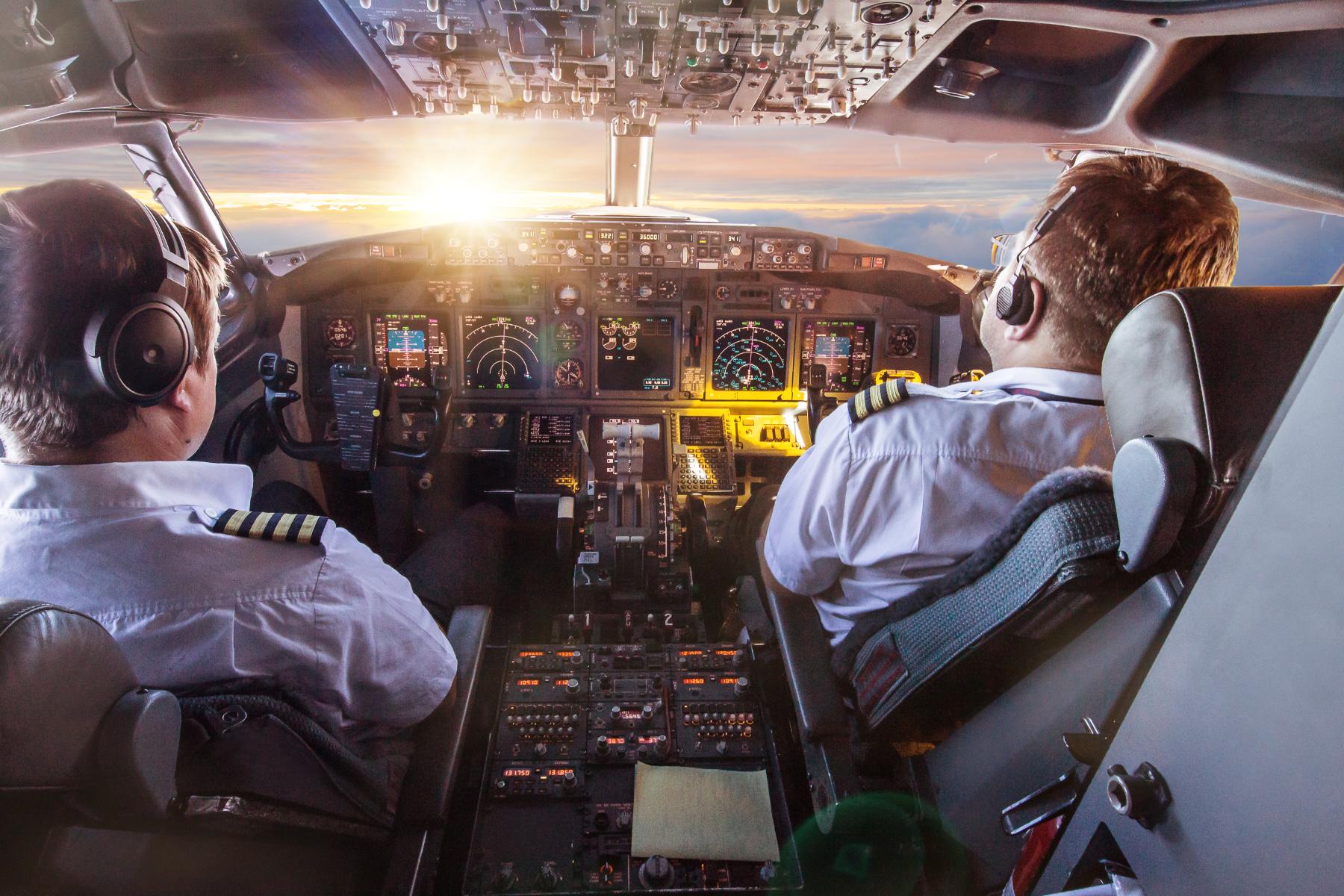
Most schools run the Cessna 172, Piper Archer, or Diamond DA40, all forgiving trainers with decades of safety record behind them. Our aircraft guide covers each one, through the regional jets and Boeings waiting further up the ladder.
What is a checkride like?
Each certificate ends with one: an oral exam followed by a flight test with a designated pilot examiner. Expect two to four hours of questions, then a flight where you demonstrate maneuvers to published standards. Solid schools rehearse you until the real thing feels familiar.
04 The Career
Are pilots actually in demand right now?
The structural drivers say yes: mandatory retirement at 65 removes thousands of airline pilots on a fixed schedule, and Boeing's Pilot and Technician Outlook projects more than 600,000 new pilots needed worldwide over two decades. Hiring pace moves with the economy; the retirement math does not.
Am I too old to start?
Airlines hire new first officers into their 50s, and retirement is 65 by law. Start at 40 and the math still supports a 20-year flying career. The only seat age truly threatens is senior widebody captain at a major, which requires decades of seniority.
Still Have Questions? Ask a Person.
Send the form and ask anything. A real reply, within a business day, from someone who has sat in the seat.