
Type Budget Trainer
Cessna 152
Before the 172 there was its smaller sibling, and plenty of smart students still seek the 152 out for one reason: it rents for the lowest rates on the ramp. Two seats, a modest four-cylinder engine, and absolutely nothing you don't need. Tens of thousands of pilots earned their first certificate in one.
The 152 stopped rolling off the line decades ago, so the fleet is old and cabin space is honest about being tight. What survives is the math: same 40-hour private pilot requirement, meaningfully lower hourly cost, and handling honest enough that examiners trust it on checkrides every week.
- Seats
- 2
- Engine
- Lycoming, about 110 hp
- Cruise
- About 105 knots
- Range
- Around 400 nm
- Panel
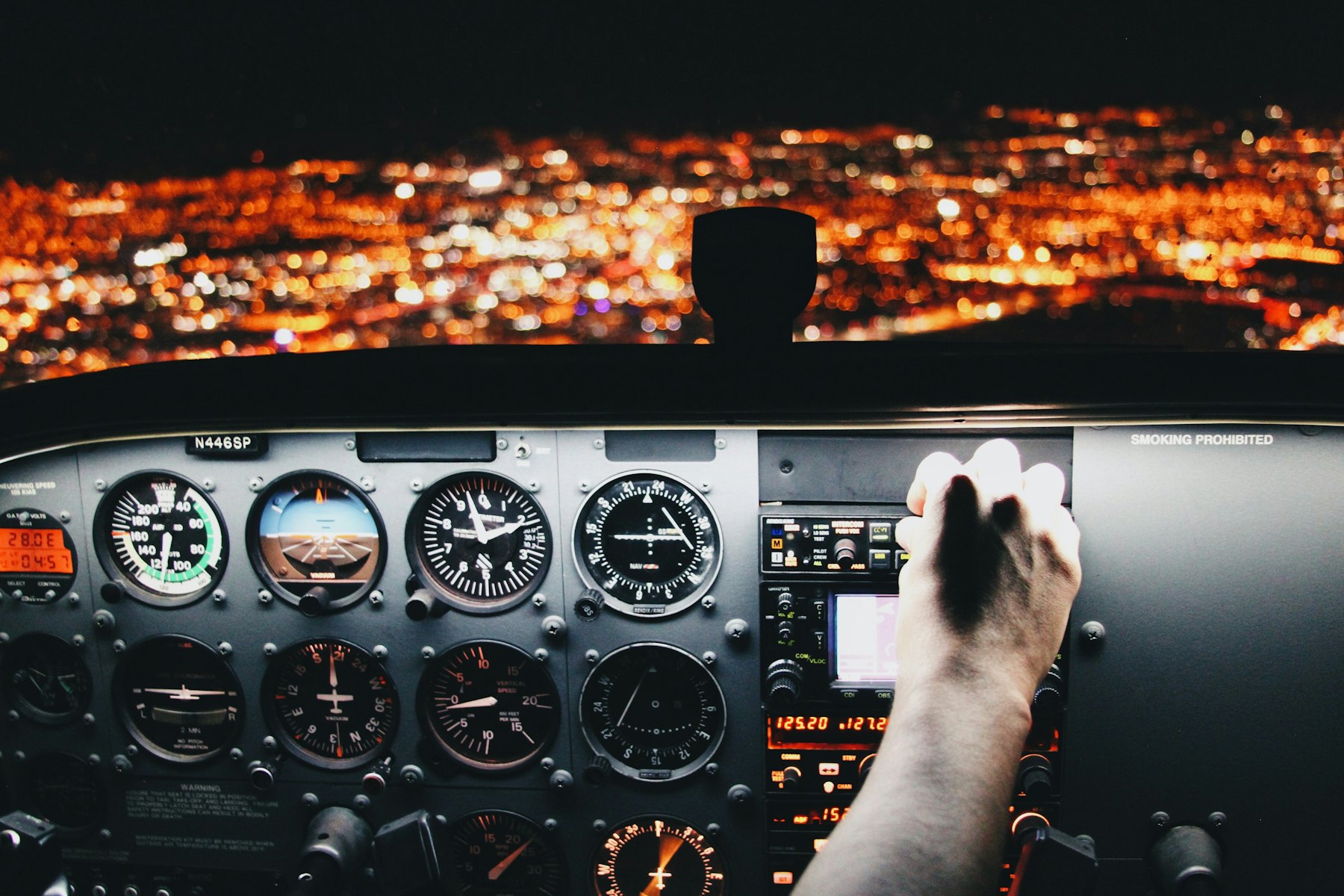
- Round dials, mostly
- Role
- Private certificate on a budget
Representative figures for the type. Model year and configuration move the numbers.
What Flying One Teaches You
Discipline with weight and performance. With two adults and full fuel you're often over limits, so you'll learn real weight-and-balance calculations on day one instead of treating them as paperwork. On a summer afternoon the climb rate demands honest density-altitude thinking, which is exactly the judgment high-elevation flying rewards later.
The cost story is the headline: a 152 typically rents $30 to $50 an hour under a 172, and across a 60-hour private certificate that difference buys your entire written-exam prep and then some. If your local school keeps one on the line and your frame fits the cabin, it's the thriftiest legitimate path to a certificate.
Student Questions, Answered
Is a 152 too small for training seriously?
Not if you fit. The FAA cares about your skills, not your trainer's cabin width. The practical limit is comfort: two larger adults in a 152 makes for short lessons and careful fuel planning, which is why bigger students default to the 172.
Will old round-dial panels hurt me later?
The opposite, usually. Attitude flying learned on basic instruments transfers everywhere, and adding glass-panel skills later is a lesson, not a struggle. Going the other direction is harder.
Why do fewer schools carry the 152 now?
Fleet age and cabin size push schools toward 172s that serve every student. When you find a well-maintained 152 at a good school, treat it as the budget opportunity it is.
Where It Fits On Your Path
A money-saving first chapter: earn the private in a 152, then step to a 172 or Archer for instrument and commercial work. Nothing about the small airplane shrinks the certificate.
The Partnership Play
The 152's second act is ownership. Because airframes are plentiful and simple, partnerships and clubs keep them flying at rates that embarrass rental boards, and a quarter-share student can fly the private certificate and early hour-building for close to fuel-and-oil money. The type's docile spin behavior also made it the traditional spin-training mount, a skill every CFI candidate must demonstrate, so instructor-bound students often meet the 152 twice: once early, once at the spin endorsement.
Buying into one demands the checks any old airframe deserves: a thorough prebuy inspection, AD compliance history, and honest math about mid-time engines. Do it right and the airplane holds value while you fly it, lending you its utility for the ownership years and repaying most of the principal at sale. Ask around any airport's bulletin board; 152 shares change hands quietly and constantly, and instructors usually know whose share is about to open.
Checkride day in a 152 has its own quiet advantage: examiners know the airplane's numbers cold, so the flight becomes a pure demonstration of your flying rather than a negotiation with unfamiliar equipment. The airplane's honest handling shows every skill plainly, good and bad, and examiners privately appreciate that transparency. One of the best checkride stories on our field involves a student who chose the 152 over the shinier 172 specifically because it was the airplane she knew best, flew a near-flawless ride in gusty crosswinds, and got the kind of debrief examiners reserve for airmanship rather than luck. Take the certificate in the airplane your hands know. The photo beside the airplane looks identical either way.
Related Aircraft
Train Toward This Flight Deck
Get matched with schools whose fleets and airline pipelines point at the seat you want.